Scrolling through skincare content on social media has become a daily ritual for millions, yet recent data reveals a startling disconnect: while 96% of young adults turn to social media daily for skincare information, only 4% of dermatology-related Instagram accounts are actually managed by board-certified dermatologists. This massive gap between the volume of skincare advice flooding our feeds and qualified medical expertise creates a credibility crisis that affects real skin health outcomes.
As trending skincare hacks go viral and influencers promote their favorite products, consumers increasingly struggle to distinguish between evidence-based treatments and potentially harmful fads. Understanding what board certification actually means and how to identify qualified skincare guidance has never been more critical for making informed decisions about your skin health.
What Does Board Certification in Dermatology Actually Mean?
Board certification represents the gold standard of medical expertise in dermatology, signifying that a physician has completed rigorous training and examination beyond basic medical school. The American Board of Dermatology maintains strict standards that ensure certified dermatologists possess comprehensive knowledge of skin, hair, and nail conditions along with both medical and surgical treatment expertise.
This certification isn’t just a one-time achievement but an ongoing commitment to excellence. Board-certified dermatologists must demonstrate proficiency in diagnosing and treating over 3,000 different skin conditions, from common acne to complex skin cancers. The certification process ensures patients receive care from physicians who understand the intricate science behind skin health and the latest evidence-based treatments.
The Educational Journey: Medical School Through Board Exams
Becoming a board-certified dermatologist requires approximately 12 years of education and training after high school. The journey begins with four years of undergraduate education, followed by four years of medical school where future dermatologists learn comprehensive medical knowledge across all body systems. This foundation proves essential since many skin conditions reflect underlying systemic health issues.
After earning their medical degree, physicians must complete a one-year internship in either internal medicine, general surgery, or pediatrics. Following this, they enter a three-year dermatology residency program where they see thousands of patients under supervision, mastering both medical and surgical dermatology techniques. The training culminates with passing a comprehensive board examination that tests knowledge across the entire spectrum of dermatologic care.
Ongoing Requirements for Maintaining Certification
Board certification doesn’t end with passing the initial exam. Dermatologists must participate in continuous medical education to maintain their certification, completing at least 100 hours of approved educational activities every three years. This requirement ensures they stay current with rapidly evolving treatments, technologies, and research findings that directly benefit patient care.
Additionally, board-certified dermatologists must pass a recertification examination every 10 years, demonstrating their commitment to maintaining expertise throughout their careers. This ongoing process distinguishes true specialists from those who simply completed training years ago without keeping pace with medical advances.
The Social Media Skincare Information Gap
The explosion of skincare content on social media platforms has created an unprecedented situation where beauty influencers, lifestyle bloggers, and amateur enthusiasts vastly outnumber qualified medical professionals in the digital skincare conversation. With billions of skincare-related posts across platforms, finding genuine medical expertise becomes increasingly challenging for consumers seeking reliable information.
This information gap poses real risks as viral trends often promote treatments without considering individual skin types, underlying conditions, or potential adverse reactions. The algorithm-driven nature of social media favors engaging content over accurate information, creating an environment where sensational claims often receive more visibility than evidence-based advice.
Who’s Really Creating Your Skincare Content?
The statistics paint a concerning picture of skincare content creation. Only 4% of dermatology-related Instagram accounts belong to board-certified dermatologists, while the remaining 96% consists of influencers, beauty brands, and enthusiasts with varying levels of expertise. On TikTok, approximately 26% of skincare content creators claim some form of medical background, though this includes everyone from medical students to professionals in unrelated healthcare fields.
This dramatic underrepresentation of qualified professionals means that most skincare advice circulating on social media lacks proper medical oversight. While some influencers partner with dermatologists or conduct thorough research, many rely on personal experience or trending topics rather than scientific evidence to guide their recommendations.
What Young Adults Want vs. What They’re Getting
Research reveals a significant disconnect between what consumers desire and what social media delivers. According to recent studies, 68% of young adults express a strong desire for more dermatologist-led content on social media platforms. They recognize the value of professional expertise yet struggle to find it amidst the flood of influencer content.
Despite this clear demand for expert guidance, the reality remains that 96% of young adults rely on social media daily for skincare information, often unknowingly consuming content from unqualified sources. This mismatch creates a cycle where consumers seeking legitimate medical advice instead receive product recommendations and trendy techniques that may not suit their specific skin needs.
How to Identify Qualified Skincare Advice Online
With 90% of dermatology patients researching their conditions online, developing skills to evaluate source credibility becomes essential for skin health. Legitimate medical professionals typically display their credentials prominently, reference peer-reviewed studies, and acknowledge the complexity of individual skin concerns rather than promoting one-size-fits-all solutions.
Look for content creators who discuss potential side effects, contraindications, and the importance of patch testing. Board-certified dermatologists often emphasize the need for personalized treatment plans and frequently remind viewers that social media content cannot replace professional consultation for specific skin concerns.
Red Flags in Skincare Content
Several warning signs indicate potentially unreliable skincare advice. Be cautious of creators who promise miraculous overnight results, promote extremely aggressive treatments without discussing risks, or claim their routine will work for everyone regardless of skin type. As noted by Dr. Samantha Karlin from the American Academy of Dermatology, “not every trend is suitable for every skin type, and some might even be harmful and cause damage.”
Additional red flags include dismissing the need for sunscreen, recommending DIY treatments with household items that haven’t been tested for skin application, or suggesting that expensive products are always superior to affordable alternatives. Content that diagnoses conditions through photos or videos without proper examination should also raise concerns.
Questions to Ask Before Following Skincare Advice
Before incorporating any social media skincare advice into your routine, consider these essential questions: Does the content creator have verifiable medical credentials? Are they discussing potential risks alongside benefits? Do they acknowledge that results may vary between individuals? Have they cited credible sources or studies to support their claims?
Additionally, evaluate whether the advice aligns with established dermatological principles. Does it respect your skin barrier? Does it account for different skin types and conditions? Would a board-certified dermatologist likely approve this approach? Taking time to critically evaluate content can prevent skin damage and wasted resources on ineffective treatments.
The Real Impact of Following Non-Expert Skincare Trends
The consequences of following unqualified skincare advice extend beyond temporary irritation or wasted money. Dermatologists increasingly report treating patients who have damaged their skin barriers, developed contact dermatitis, or worsened existing conditions by following viral skincare trends without professional guidance.
Chemical burns from improper use of acids, severe breakouts from comedogenic trending products, and hyperpigmentation from photosensitizing ingredients represent just a few examples of the harm that can result from following non-expert advice. These issues often require months of professional treatment to resolve, costing far more than an initial dermatologist consultation would have.
Common Misconceptions from Social Media Trends
Social media perpetuates numerous skincare myths that board-certified dermatologists regularly debunk. The belief that everyone needs a 10-step skincare routine, that natural always means safer, or that more expensive products guarantee better results all stem from influencer culture rather than medical evidence. These misconceptions lead consumers to overcomplicate their routines or avoid effective treatments based on unfounded fears.
Another prevalent misconception involves the timeline for results. While social media favors dramatic before-and-after content, most effective skincare treatments require weeks or months of consistent use. This disconnect between social media expectations and biological reality often leads to premature product abandonment or dangerous attempts to accelerate results through overuse.
When DIY Goes Wrong: The Cost of Bad Advice
According to findings published in Practical Dermatology, following non-evidence-based skincare trends can result in significant physical and financial consequences. Patients who damage their skin through inappropriate treatments often require prescription medications, professional procedures, and extended recovery periods to restore skin health. The psychological impact of skin damage, including decreased confidence and social anxiety, adds another dimension to the true cost of bad advice.
Emergency room visits for chemical burns from at-home peels, severe allergic reactions to trending ingredients, and infections from unhygienic DIY treatments represent the most serious outcomes. These situations could be prevented through proper professional guidance and understanding of individual skin needs.
Finding the Right Balance: Social Media Awareness and Professional Guidance
Social media undeniably plays a valuable role in skincare education by increasing awareness of ingredients, conditions, and available treatments. The platform’s ability to destigmatize skin concerns and create supportive communities provides genuine benefits. The key lies in using social media as a complement to, rather than replacement for, professional medical advice.
Board-certified dermatologist Dr. Heather Rogers observes a positive shift, noting that people are “becoming more selective in the products they use, picking items that can address their needs long term instead of just buying into the latest fad.” This evolution suggests consumers are learning to balance social media inspiration with professional expertise.
Using Social Media as a Starting Point, Not an Endpoint
With 71% of consumers discovering new skincare products through social media, these platforms serve as valuable discovery tools. The critical step involves taking that initial interest and validating it through professional consultation. Use social media to learn about ingredients, understand different skin concerns, and stay informed about innovations, but verify specific treatments with qualified professionals before implementation.
Consider creating a list of questions or concerns inspired by social media content to discuss during dermatology appointments. This approach maximizes the educational value of both resources while ensuring your skincare decisions align with medical best practices and your individual needs.
When to Seek Board-Certified Expertise
Certain situations definitively require professional dermatological consultation rather than social media guidance. Persistent acne, suspicious moles, chronic skin conditions like eczema or psoriasis, and any sudden changes in skin appearance warrant expert evaluation. Additionally, before starting prescription-strength treatments, undergoing cosmetic procedures, or addressing scarring concerns, consulting a board-certified dermatologist ensures safe and effective treatment.
Even for general skincare optimization, an annual dermatology check-up provides valuable personalized guidance that no amount of social media research can replace. These consultations offer opportunities for skin cancer screening, professional product recommendations based on your specific skin type, and early intervention for developing concerns.
What to Expect from a Board-Certified Dermatology Consultation
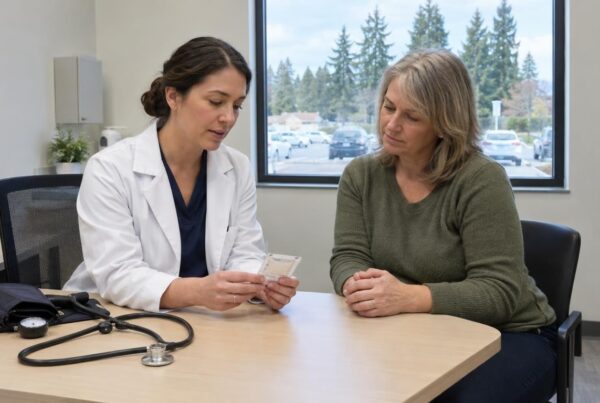
A consultation with a board-certified dermatologist differs fundamentally from gathering advice online. Medical professionals like Dr. Max Grishkevich begin with comprehensive skin analysis using specialized equipment and trained observation to assess your unique skin characteristics, underlying conditions, and specific concerns. This individualized approach ensures recommendations align with your skin’s actual needs rather than general trends.
During consultation, dermatologists consider your medical history, current medications, lifestyle factors, and skincare goals to develop a customized treatment plan. They can prescribe medical-grade treatments unavailable through consumer channels and adjust protocols based on your skin’s response, providing a level of personalization impossible to achieve through social media advice alone.
The Personalized Approach to Your Skin
Board-certified dermatologists understand that effective skincare requires individualization based on factors including genetics, environment, age, and existing conditions. They recognize that what works brilliantly for one patient may cause adverse reactions in another, even with similar skin types. This nuanced understanding guides their recommendations toward treatments proven effective for your specific situation.
Professional assessment also identifies subtle skin issues that may not be apparent to untrained eyes. Early detection of conditions like melasma, rosacea, or precancerous lesions allows for prompt treatment, preventing progression and maintaining long-term skin health. This preventive aspect of dermatological care provides value beyond addressing current concerns.
Evidence-Based Treatments vs. Trending Solutions
While social media trends come and go, board-certified dermatologists rely on treatments backed by clinical research and peer-reviewed studies. They understand the mechanisms behind various ingredients and procedures, allowing them to predict outcomes and manage expectations realistically. This scientific approach eliminates the trial-and-error process often associated with following trending advice.
Medical-grade treatments available through dermatologists often contain higher concentrations of active ingredients and pharmaceutical-grade formulations unavailable in consumer products. These professional treatments, combined with expert application and monitoring, deliver more predictable and significant results than trending solutions promoted online.
Making Informed Skincare Decisions in 2025
As social media continues shaping skincare conversations, consumers must develop critical evaluation skills to navigate the vast landscape of online advice. The coexistence of social media influence and professional expertise doesn’t have to be contradictory – instead, savvy consumers can leverage both resources strategically. Use social media for inspiration and community support while relying on board-certified dermatologists for medical guidance and treatment decisions.
The path to healthy skin in 2025 requires recognizing that while social media democratizes skincare information, not all voices carry equal weight in matters of skin health. By understanding what board certification represents, identifying qualified sources, and knowing when professional consultation is necessary, you can harness the benefits of our connected world while protecting your skin from the risks of unqualified advice. Your skin deserves the same level of professional medical care you would seek for any other organ – because that’s exactly what it is.