
Last updated: November 21, 2026
Treatment for hot flashes includes systemic hormone therapy, nonhormonal prescription medicines, and comfort measures. Menopausal hot flashes can cause night sweats and disrupt sleep, but not every night sweat is a hot flash. At VIP Aesthetics And Wellness, our hormone replacement therapy consultations focus on an individualized plan rather than a treatment that suits everyone.
What treatments work for hot flashes and night sweats?
Systemic hormone therapy is the most effective treatment for menopausal hot flashes, but nonhormonal prescription medicines can also help. A review in the Journal of the National Comprehensive Cancer Network reports placebo-controlled trials supporting several antidepressants and gabapentin for hot flashes in women receiving breast cancer risk-reduction therapy. The right choice depends on symptoms, health history, and preferences.
Systemic means the medicine acts throughout the body. Estrogen can reduce the sudden heat and sweating associated with menopause; selected nonhormonal medicines offer another path when estrogen is not appropriate. Comfort measures can make an episode easier to manage, although they do not provide the same expected hot-flash relief as systemic hormone therapy.
How can I stop night sweats?
For menopausal night sweats, keep your bedroom cool, choose breathable bedding, and place a fan nearby. Wear layers you can remove if a hot flash wakes you. If episodes remain disruptive, systemic hormone therapy may help when it is medically suitable; nonhormonal medicines are another option. The Endocrine Society’s menopause symptom guidance identifies gabapentin as an option for nighttime hot flashes. After trying comfort measures, note when episodes occur, whether they wake you, and whether they soak your bedding. Not every night sweat is a menopausal hot flash: new, unusual, or unexplained drenching sweats deserve a clinical review.
How does hormone replacement therapy treat hot flashes?
Hormone replacement therapy for hot flashes uses systemic estrogen to replace some of the estrogen that declines around menopause. For a patient with a uterus, a progestogen is generally added to protect the uterine lining; estrogen alone may be used after hysterectomy. Low-dose vaginal estrogen serves a different purpose and is not the usual treatment for hot flashes.
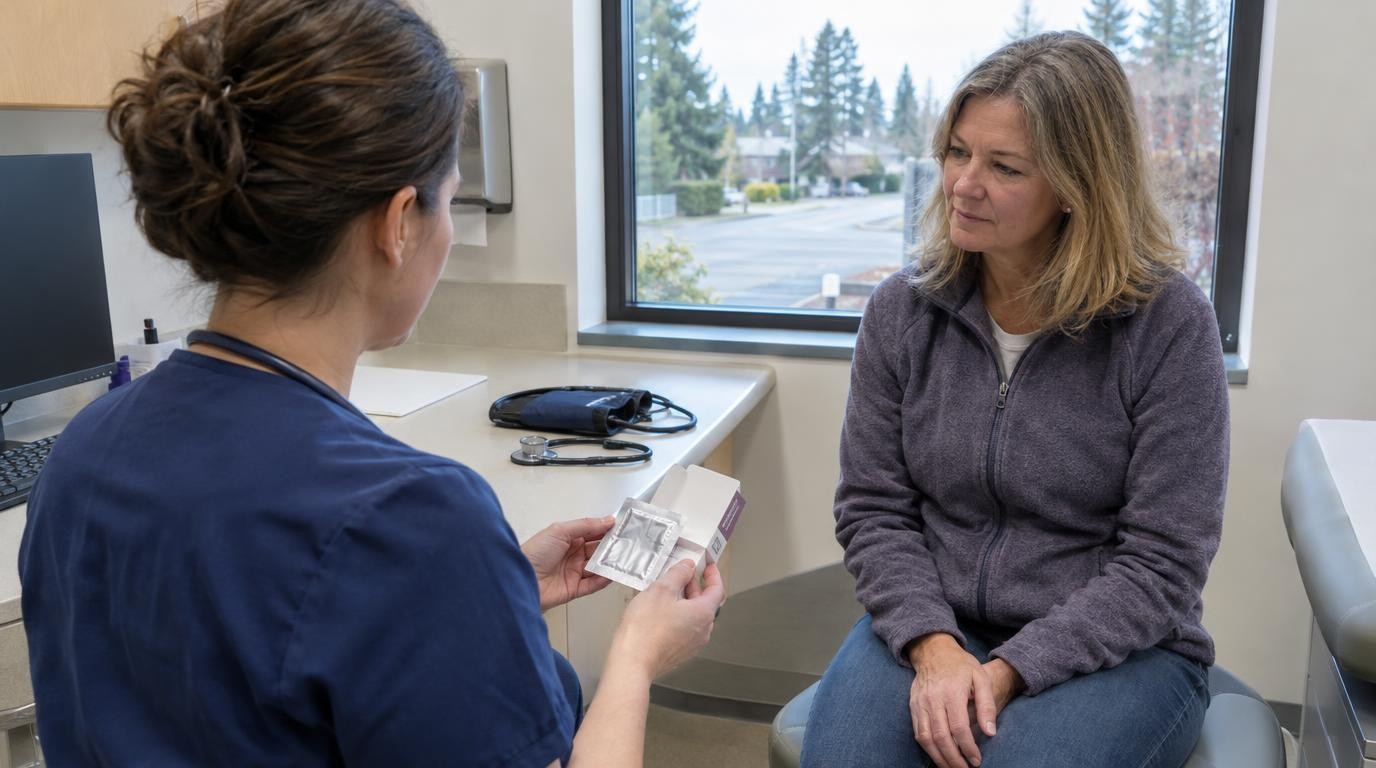
Systemic estrogen can be taken as a pill or delivered through a skin patch, gel, spray, or certain vaginal rings. When estrogen is combined with a progestogen, pills and skin patches are common forms. The U.S. Food and Drug Administration’s hormone therapy guidance distinguishes these systemic options from low-dose vaginal estrogen used for local symptoms. Your provider would determine which regimen and form, if any, suits you; our HRT service does not promise a particular formulation. For a closer look at the hormones involved, see our guide to what is in hormone replacement therapy.
Does vaginal estrogen treat hot flashes?
Low-dose vaginal estrogen targets local symptoms, particularly vaginal dryness and painful intercourse. The National Cancer Institute’s menopausal hormone therapy fact sheet distinguishes estrogen applied directly in the vagina for these symptoms from systemic treatment used for hot flashes. Systemic estrogen can relieve hot flashes and may also improve vaginal symptoms; low-dose vaginal estrogen alone does not treat hot flashes.
Why does having a uterus affect the hormone regimen?
Estrogen used alone as systemic therapy can stimulate the uterine lining and raise the risk of endometrial cancer. Adding a progestogen helps protect that lining. After a hysterectomy, estrogen alone may be an option because the uterus is no longer present. Whether either regimen is appropriate still depends on the rest of a patient’s medical history.
Who might benefit from hormone therapy during perimenopause?
Adults whose perimenopause hot flashes or night sweats disrupt sleep or daily life may benefit from an assessment for systemic hormone therapy. Symptom severity matters, but so do menstrual history, age, medical history, and preferences. Hot flashes alone do not establish a diagnosis or show that hormones are safe for a particular patient.
Perimenopause is a transition, and symptoms can change as menstrual patterns change. A useful discussion considers what is happening across the whole day: heat episodes, sleep quality, mood, and any vaginal symptoms.
What are the common symptoms of perimenopause at 44?
Changing periods, hot flashes, night sweats, mood changes, disrupted sleep, vaginal dryness, and changes in sex desire can occur during perimenopause in the mid-40s. The Endocrine Society’s menopause overview notes that hot-flash episodes can last as long as 4 minutes and may include sweating or palpitations. Symptoms vary, however, and age or a symptom list by itself cannot confirm their cause.
When should hot flashes be checked for another cause?
New, unusual, or changing symptoms deserve a clinical review, especially when the pattern does not resemble familiar hot flashes. Other conditions can cause flushing or sweating; an assessment may consider another explanation when the history and symptoms are not typical of perimenopause. Unusual menstrual bleeding also warrants evaluation rather than being assumed to be part of the transition.
What happens at a hormone therapy consultation?
At a hormone therapy consultation, we ask how symptoms affect your sleep and daily life, review your health history and medicines, and discuss whether HRT is appropriate. At VIP Aesthetics And Wellness in Clackamas, Oregon, Dr. Max Grishkevich, MD, and Dr. Daniel Ananyev work with patients on customized HRT plans. The visit may include:
- Reviewing menstrual changes and whether your symptoms need evaluation for another cause.
- Weighing the potential benefits and risks of systemic hormone therapy against other options.
- Discussing whether further evaluation is needed before treatment and what follow-up would involve.

A consultation does not guarantee a prescription or follow a fixed testing protocol.
A symptom log can give you and your provider a clearer starting point than a general description of feeling unwell. The visit can address how much hot flashes affect sleep and what the patient wants treatment to accomplish. Patients can ask about hormonal and nonhormonal choices without assuming that every medicine discussed is available through our HRT service.
What should I tell the provider about my symptoms and health history?
Bring a record of hot flashes, night sweats, sleep disruption, and changes in periods, along with a list of medicines and supplements. Mention any history of cancer, blood clots, stroke, heart attack, liver disease, or unexplained bleeding, and tell us if you are or might be pregnant. These details help put potential benefits and risks in context and determine whether another concern needs attention before an HRT decision.
What happens after hormone therapy starts?
After prescribed hormone therapy starts, tracking symptoms and side effects helps show whether the plan is meeting its goal. Record hot flashes, night sweats, and sleep quality, then review the pattern with the prescribing provider. Hormone therapy is not a surgical procedure, so starting treatment does not involve a surgical recovery period.
At follow-up, we can review whether symptoms have become less disruptive, whether side effects have appeared, and whether the regimen still fits your needs. Relief from hot flashes and night sweats generally lasts while hormone therapy continues; symptoms may return after it stops. Discuss changes or stopping with your prescriber rather than changing treatment on your own. There is no single promised time to relief or delivery method for every patient. Our guide to how long hormone replacement therapy takes to work provides additional context for setting expectations.
How will I know whether my hot flashes are improving?
Compare your symptom log with the pattern you recorded before treatment. Fewer episodes, fewer awakenings from night sweats, or better sleep may be meaningful improvements even if symptoms do not disappear. Note unwanted effects as carefully as benefits; both inform a decision about continuing or adjusting treatment.
What are the risks of hormone therapy, and who should avoid it?
Systemic hormone therapy carries risks, including blood clots and stroke; combined estrogen-progestogen therapy may also increase breast cancer risk. How often each outcome occurs depends on the regimen and your health history, so a general list of warning signs cannot give you your personal risk. You should not use menopausal hormone therapy if you are pregnant or think you may be pregnant, have had certain cancers, blood clots, a stroke, or a heart attack, have unexplained vaginal bleeding, or have liver disease. Tell your provider about these conditions before treatment. Perimenopause and menopausal hormone therapy do not prevent pregnancy.
Possible side effects include breast tenderness, headache, bloating, and vaginal bleeding. The National Library of Medicine’s hormone therapy guidance lists several medical histories that may rule out menopausal hormone therapy. New vaginal bleeding or other unexpected symptoms during treatment should be reported to the prescriber.
Sudden chest pain, trouble breathing, or stroke signs such as speech problems, vision changes, or weakness on one side need emergency care; pain, tenderness, or redness in one leg needs prompt medical attention. MedlinePlus’s estrogen-and-progestin drug information lists these warning signs. Its description of serious symptoms as uncommon is not a frequency estimate for blood clots, stroke, or any other condition they might signal. Discuss your own risks, medicines, and treatment choices with your clinician before starting or changing prescription therapy.
How do the hormone regimen and dose affect risk?
A progestogen reduces the uterine-lining risk of systemic estrogen in someone with a uterus, but combined systemic therapy may increase breast cancer risk; estrogen alone after hysterectomy has a different risk profile. The American Cancer Society’s article on menopausal hormone therapy and cancer risk discusses cancer risks by regimen. Your provider may recommend the lowest dose that controls symptoms and reassess how long you need treatment. Duration is an individual decision, not a fixed stopping date. Our discussion of hormone replacement therapy and breast cancer risk explores one part of that decision in more depth.
When might a provider recommend another treatment?
Another approach may be more appropriate when systemic hormones are medically unsuitable, when a patient prefers not to use them, or when potential harms outweigh the expected symptom relief. Unexplained bleeding needs evaluation rather than treatment based on an assumption that menopause is the cause. A nonhormonal prescription may still have its own precautions and side effects.
Which nonhormonal medicines can treat hot flashes?
Nonhormonal prescription options include selected antidepressants, gabapentin, clonidine, fezolinetant, and elinzanetant. The table distinguishes FDA-approved hot-flash treatments from medicines used off-label. A qualified prescriber can review which options fit your medical history, other medicines, and monitoring needs.
For people taking tamoxifen, fluoxetine and paroxetine can interfere with tamoxifen metabolism; the review also describes evidence for other nonhormonal options, including venlafaxine and gabapentin.
These options differ in purpose and precautions:
| Option | Role in hot-flash care | Points to review |
|---|---|---|
| Selected SSRIs and SNRIs | A low-dose paroxetine formulation is FDA-approved for menopausal hot flashes; venlafaxine and many other antidepressant regimens are used off-label. | Other medicines, particularly tamoxifen, potential interactions, and tolerability |
| Gabapentin | An off-label option, including for nighttime symptoms | Sleepiness and dizziness |
| Clonidine | An off-label option with different evidence and tolerability | Blood-pressure effects and other side effects |
| Fezolinetant | An FDA-approved nonhormonal hot-flash medicine | Required liver-safety monitoring |
| Elinzanetant | An FDA-approved nonhormonal option for menopausal hot flashes | Individual precautions and side effects to review with a prescriber |
What should I know about nonhormonal prescription side effects?
SSRIs and SNRIs may cause nausea, sleep changes, or sexual side effects. Gabapentin can cause dizziness or sleepiness; clonidine can cause dry mouth, dizziness, or low blood pressure. Fezolinetant requires liver monitoring because serious liver injury is a safety concern. A qualified prescriber should check the medicine’s approved use, interactions, monitoring requirements, and warning signs before treatment is chosen.
What natural remedies for perimenopause may help with hot flashes?
Comfort measures and attention to personal triggers may make perimenopause hot flashes easier to manage, but herbs and supplements are not proven substitutes for effective prescription treatment. Meditation, deep breathing, or muscle relaxation may help you manage stress and cope with symptoms, though their effect on hot-flash frequency is less certain. “Natural” products can also cause side effects or interact with medicines.
The National Library of Medicine’s menopause guidance suggests noticing whether alcohol, spicy food, or caffeine worsens your symptoms and recommends quitting smoking for hot flashes and overall health. It also recommends maintaining a healthy weight, since excess weight can make hot flashes worse, and exercising regularly to support sleep and mood—not as a proven way to stop hot flashes. The National Cancer Institute’s patient guidance on hot flashes recognizes coping strategies while advising caution with herbs and dietary supplements.
What can I do tonight to manage hot flashes?
If a hot flash wakes you, try slow breathing and give yourself time to settle before returning to sleep. If episodes repeatedly interrupt your rest despite home measures, ask a clinician about treatment rather than relying on comfort measures alone.
Frequently Asked Questions
Where can I find online help with menopause symptoms?
For reliable online guidance, read MedlinePlus’s guide to deciding about hormone therapy and the Hormone Health Network’s menopause treatment options. They explain treatment choices and important safety considerations. Online information cannot determine whether hormone therapy is safe for you.
How long can menopause hot flashes last?
Hot flashes can continue from a few years to over 10 years, according to the Endocrine Society. Duration varies from person to person, and symptoms can affect sleep, energy, and mood. Disruptive hot flashes can be treated with systemic hormone therapy or nonhormonal prescription medicines.
Can cancer treatment or ovary removal cause hot flashes?
Yes. Removing the ovaries, chemotherapy, and certain hormone treatments for breast cancer can bring on menopause symptoms, including hot flashes. MedlinePlus notes that menstrual periods may stop suddenly after these treatments. For people with a history of breast cancer, nonhormonal medicines can offer relief when systemic hormone therapy is unsuitable.
Can cognitive behavioral therapy help me sleep if I have night sweats?
Yes. Cognitive behavioral therapy, or CBT, can help with sleep problems during menopause, according to MedlinePlus. The National Cancer Institute also describes CBT as a way to cope with hot flashes and related distress. It is a supportive option, not a guarantee that nighttime hot flashes will stop.
Who should review a new hot-flash medicine if I take tamoxifen?
Ask the clinician managing your tamoxifen to review any proposed hot-flash medicine before you start it. They can check for interactions and coordinate your treatment with the clinician addressing your symptoms.
Does black cohosh help with hot flashes?
Black cohosh has not been proved to relieve menopausal hot flashes better than a placebo, according to the Endocrine Society. It may cause headaches or stomach upset and is not recommended for people with liver disease. Herbal supplements may also interact with prescription medicines.
Should I get spotting checked after menopause?
Yes. Spotting a year or more after your last period should be checked by a clinician, according to MedlinePlus. Do not assume it is simply part of menopause. If bleeding starts while you are using hormone therapy, tell your prescriber so they can assess whether it needs further evaluation.
How do you choose between hormone therapy and other hot flash treatments?
If menopausal hot flashes disrupt your sleep or daily life, consider systemic hormone therapy when it is medically suitable; it is the most effective treatment. If hormones are unsuitable or you prefer not to use them, ask about nonhormonal prescription options. We can help you weigh expected relief, your medical risks and preferences, side effects, and follow-up needs before deciding on an HRT plan.
If hot flashes or night sweats are affecting your life, contact VIP Aesthetics And Wellness in Clackamas, Oregon, for an individualized HRT consultation with Dr. Max Grishkevich, MD, or Dr. Daniel Ananyev. Call VIP Aesthetics And Wellness at (503) 513-5533 to discuss your symptoms and questions. If you are considering a nonhormonal prescription, ask a qualified clinician who offers that option about its suitability and monitoring requirements.
This information is general and is not medical advice. Talk to a licensed clinician about your own situation before making a treatment decision.
About the doctor at VIP Aesthetics And Wellness
Dr. Max Grishkevich, MD – Founder and medical director; aesthetic physician and member of the American Academy of Cosmetic Surgery.